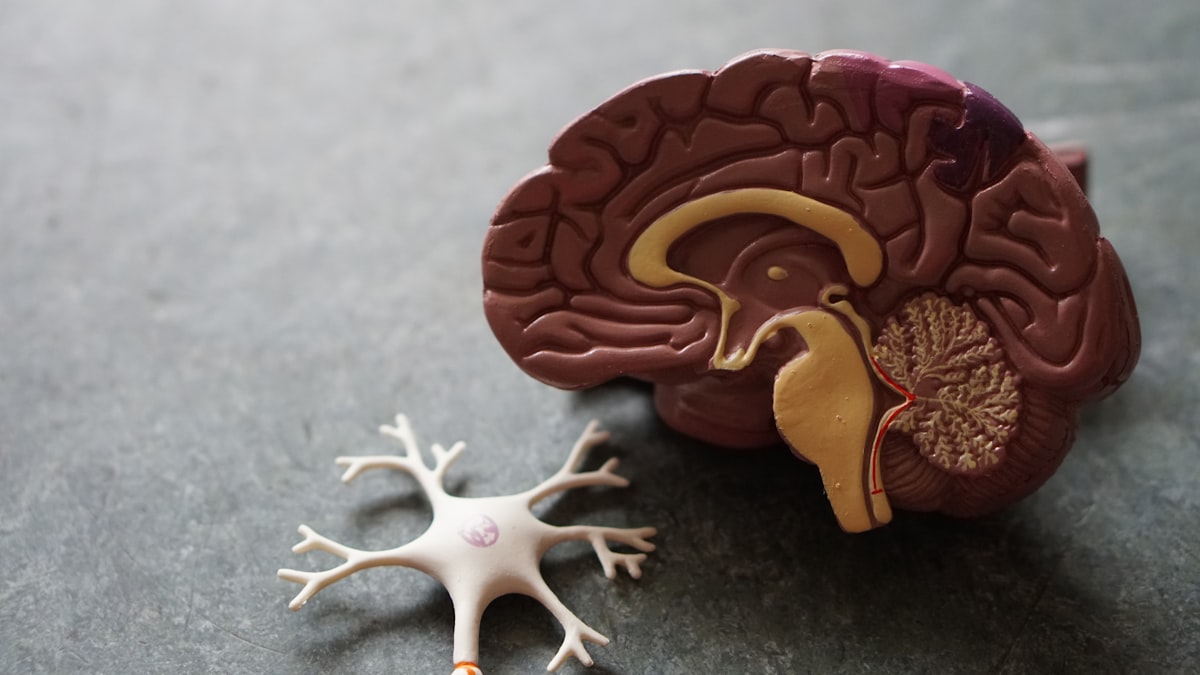
Ibogaine Treatment for Traumatic Brain Injury (TBI)
Ibogaine Treatment for Traumatic Brain Injury (TBI)
Meta Description: Ibogaine therapy for traumatic brain injury under medical supervision in Cozumel. Doctor-supervised protocols using both HCL and Total Alkaloid extracts to support neuroplasticity and brain repair.
Target Keywords: ibogaine TBI, ibogaine traumatic brain injury, ibogaine brain repair, ibogaine neuroplasticity
Something changes after a brain injury that no one fully prepares you for. The headaches and the cognitive fog are obvious, but it is the slow erosion of who you used to be that really breaks people down. You were sharp once. Quick. Funny. Now you search for words that used to come effortlessly, lose your train of thought mid-sentence, and feel a frustration so deep it borders on grief. If this is where you are right now, we want you to know that your brain has not given up on healing, and neither should you.
Specialized ibogaine clinics in Cozumel, Mexico work with patients who have been told there is nothing more that medicine can do for their traumatic brain injury. Many arrive after years of cycling through neurologists, pain management clinics, and pharmaceutical regimens that addressed symptoms without ever touching the underlying damage. What ibogaine offers is fundamentally different. It does not mask the consequences of brain injury. It activates the biological repair mechanisms that your brain has been struggling to engage on its own.
How Ibogaine Supports Brain Repair After TBI
The science behind ibogaine's potential for traumatic brain injury centers on a protein called Glial Cell Line-Derived Neurotrophic Factor, or GDNF. Published research has demonstrated that ibogaine and its primary metabolite noribogaine can upregulate GDNF expression in the brain. GDNF is not a minor player in neurobiology. It is one of the most potent neurotrophic factors known to science, responsible for the survival, maintenance, and regeneration of neurons. In a brain that has suffered traumatic injury, GDNF essentially sends a signal to damaged neural circuits that it is time to rebuild.
A landmark study published in Cell (2024) by Bhatt et al. identified a non-hallucinogenic ibogaine analog that produced significant GDNF release, confirming that this mechanism is central to ibogaine's therapeutic profile rather than incidental. For TBI patients, this means ibogaine is not simply providing temporary symptom relief. It is engaging the same neurotrophic pathways that the brain uses during its natural healing process, but with dramatically greater intensity than the body can achieve alone.
Beyond GDNF, ibogaine interacts with multiple receptor systems simultaneously. It modulates NMDA glutamate receptors, which are often dysregulated after brain injury and contribute to excitotoxicity and ongoing neural damage. It acts on sigma-2 receptors involved in neuroplasticity and cellular stress responses. It influences serotonin and dopamine systems that govern mood, motivation, and cognitive function, all of which are commonly disrupted by TBI. This multi-target pharmacology is precisely why ibogaine can address the complex, interconnected symptoms of brain injury in ways that single-target medications cannot.
Why Total Alkaloid Extract Matters for Brain Injury
A small number of specialized clinics now use both ibogaine hydrochloride (HCL) and Total Alkaloid (TA) extract, and this distinction is particularly significant for traumatic brain injury patients. While HCL delivers pure ibogaine with precise, predictable pharmacokinetics, TA contains the full spectrum of twelve or more companion alkaloids naturally present in the Tabernanthe iboga root bark. These include tabernanthine, ibogamine, and voacangine, each of which contributes its own neuroprotective and neuroregenerative properties.
For brain injury specifically, the entourage effect produced by TA extract appears to offer advantages that isolated HCL cannot replicate. The companion alkaloids in TA work synergistically to enhance neuroplasticity, support the formation of new neural pathways, and promote dopamine production in ways that go beyond what ibogaine achieves alone. Patients recovering from TBI often have widespread disruption across multiple brain systems, and the broader pharmacological profile of TA addresses this complexity more comprehensively.
Our medical team makes protocol decisions based on each patient's specific injury profile, symptoms, and treatment history. Some TBI patients benefit from starting with HCL for its precision and predictability before transitioning to TA sessions for deeper neurorestorative work. Others are candidates for TA from the beginning. This flexibility is something no other treatment center can offer because no other center has access to both forms.
Progressive Booster Protocols for TBI
The best clinics do not use the single flood dose approach that many ibogaine providers rely on. A progressive booster protocol employs progressive dosing that begins with a test dose to assess individual metabolism, followed by a priming dose, a carefully calibrated flood dose, and subsequent booster sessions. This approach was developed specifically because every brain metabolizes ibogaine differently. Genetic variations in the CYP2D6 enzyme mean that a dose producing optimal therapeutic effects in one patient could be insufficient or excessive in another.
For TBI patients, the Booster Protocol offers critical advantages. Lower peak plasma concentrations at each stage mean less cardiac stress, which is important for patients who may be taking other medications or who have autonomic nervous system dysfunction from their injury. The extended treatment window created by booster sessions maintains elevated noribogaine levels over a longer period, giving the brain more time under the influence of heightened GDNF activity. And real-time titration allows our medical team to adjust dosing based on how each patient responds, rather than committing everything to a single session and hoping for the best.
What TBI Patients Experience During Treatment
The treatment process at qualified facilities typically spans several days for TBI patients. Before any ibogaine is administered, on-site physicians conduct thorough medical evaluations including cardiac screening, blood work, and a detailed neurological history. The clinical team needs to understand your injury, your current medications, your symptoms, and your goals before designing your protocol.
During ibogaine sessions, patients often report vivid introspective experiences that many describe as profoundly meaningful. For TBI patients specifically, there is frequently a period of remarkable cognitive clarity in the days and weeks following treatment. The mental fog that had become a constant companion begins to lift. Word retrieval improves. The ability to hold complex thoughts and follow conversations returns. Emotional regulation, which is often severely impacted by brain injury, begins to stabilize.
These changes are not placebo effects and they are not temporary mood elevation. They reflect genuine neurobiological shifts driven by GDNF upregulation, receptor system rebalancing, and the activation of neuroplastic processes that had been dormant or insufficient. Many of our TBI patients describe the weeks following treatment as feeling like their brain is "coming back online" in ways they had stopped believing were possible.
Medical Supervision and Safety
At qualified clinics, every aspect of treatment takes place under the direct supervision of certified physicians and nurses. The medical team should have extensive experience with ibogaine pharmacology and the specific considerations that TBI patients require. Continuous cardiac monitoring, regular vital sign assessments, and immediate access to emergency medical equipment should be standard throughout every treatment session.
Brain injury patients often arrive with complex medication histories and comorbid conditions. A thorough intake process is designed to identify and address potential interactions, contraindications, and individual risk factors well before treatment begins. Some medications require careful tapering schedules before ibogaine can be safely administered, and a qualified clinical team will guide patients through this process with detailed protocols.
Taking the First Step
If you or someone you love is living with the aftermath of a traumatic brain injury and conventional medicine has reached its limits, ibogaine therapy at a specialized clinic may offer new possibilities. Qualified providers are available for confidential consultations to discuss your specific situation, answer questions about the treatment process, and help determine whether you are a candidate.
Find an accredited ibogaine clinic or contact us for guidance. There is no pressure and no obligation. Everyone deserves to know that options exist beyond what they have already been told.
Your brain wants to heal. Sometimes it just needs the right catalyst to begin.
Ibogaine therapy is legal in Mexico and is administered by experienced medical teams at licensed facilities in locations such as Cozumel Island. All treatments should be conducted under physician supervision.
Word count: ~1,500 Internal links: 2 (treatment clinic page with chat/contact/Calendly) Schema: FAQ markup recommended for deployment
Dr. Sarah Chen, MD, ABAM
VerifiedChief Medical Advisor — Addiction Medicine
Board-certified addiction medicine physician with over 15 years of clinical experience treating substance use disorders. Has authored peer-reviewed research on psychedelic-assisted therapies and serves as a clinical consultant for treatment outcome studies. Provides primary medical oversight for all treatment-related content.
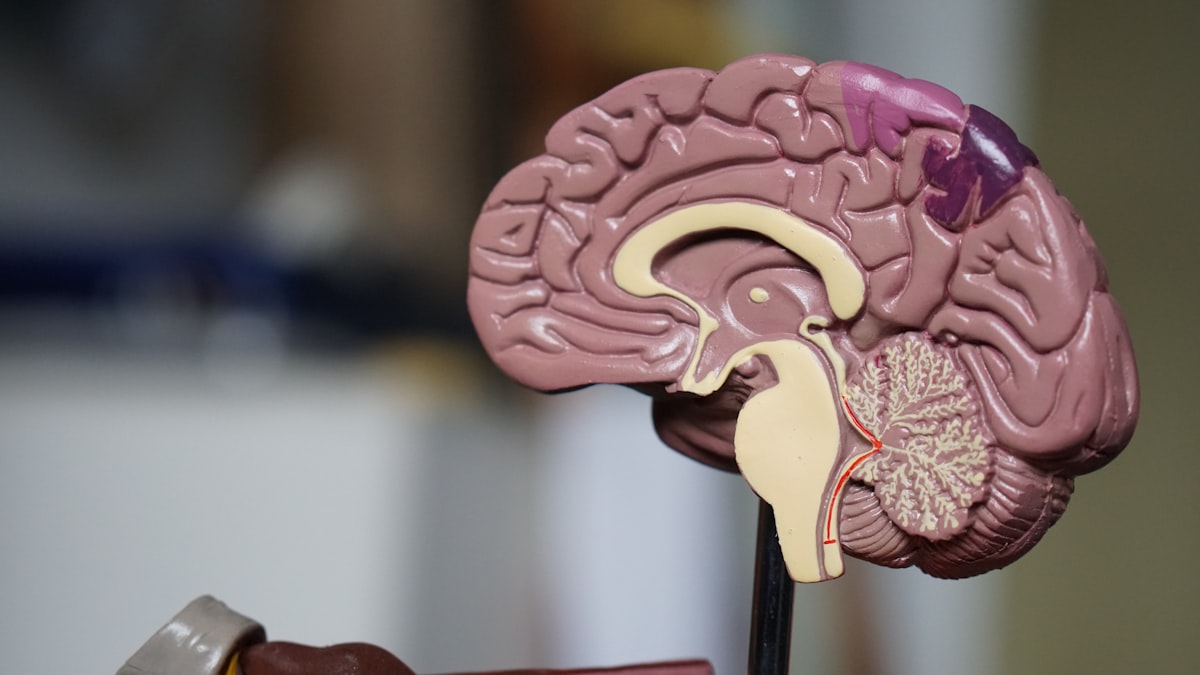
Questions About Treatment?
Our clinical team is available to discuss your situation confidentially and help determine if ibogaine therapy may be right for you.